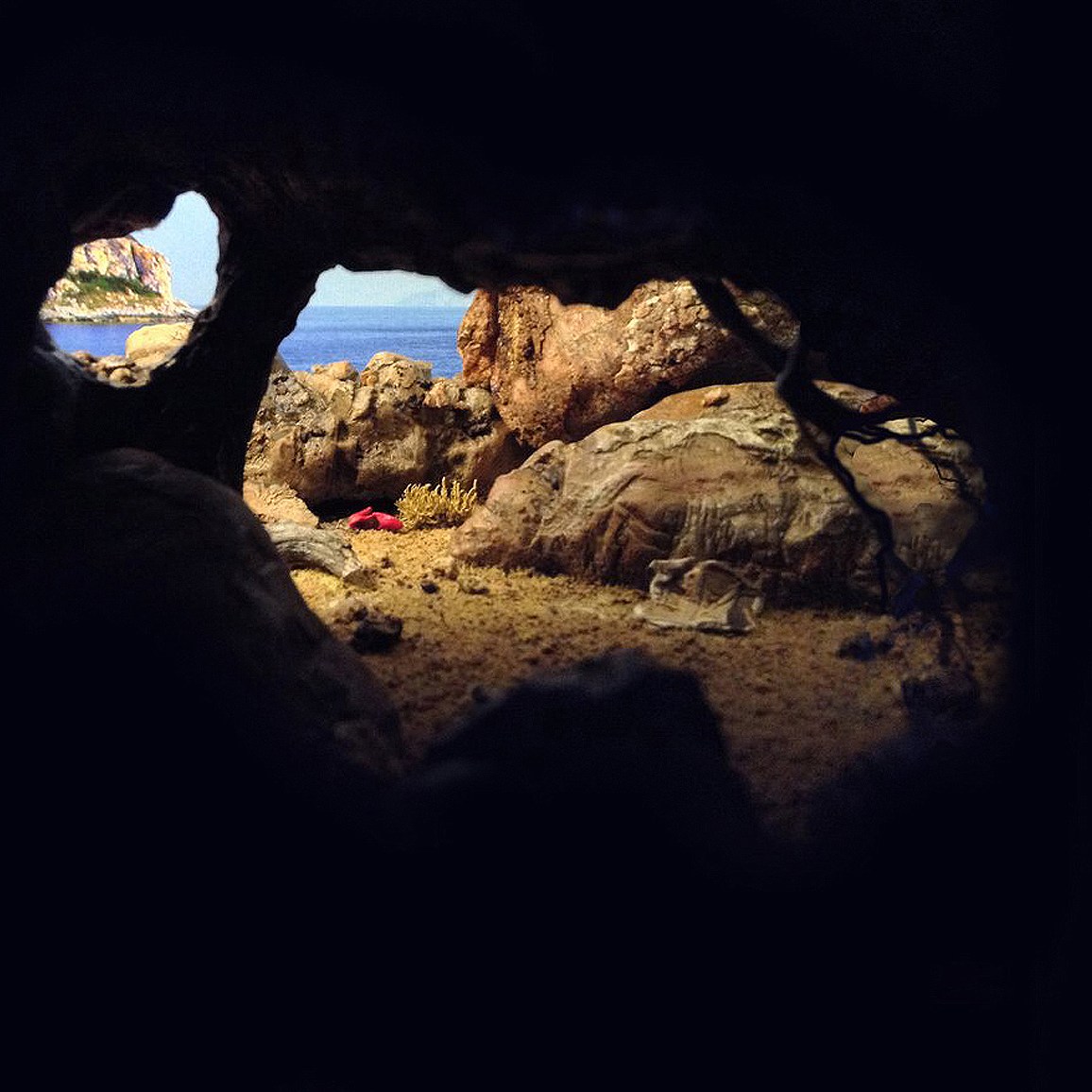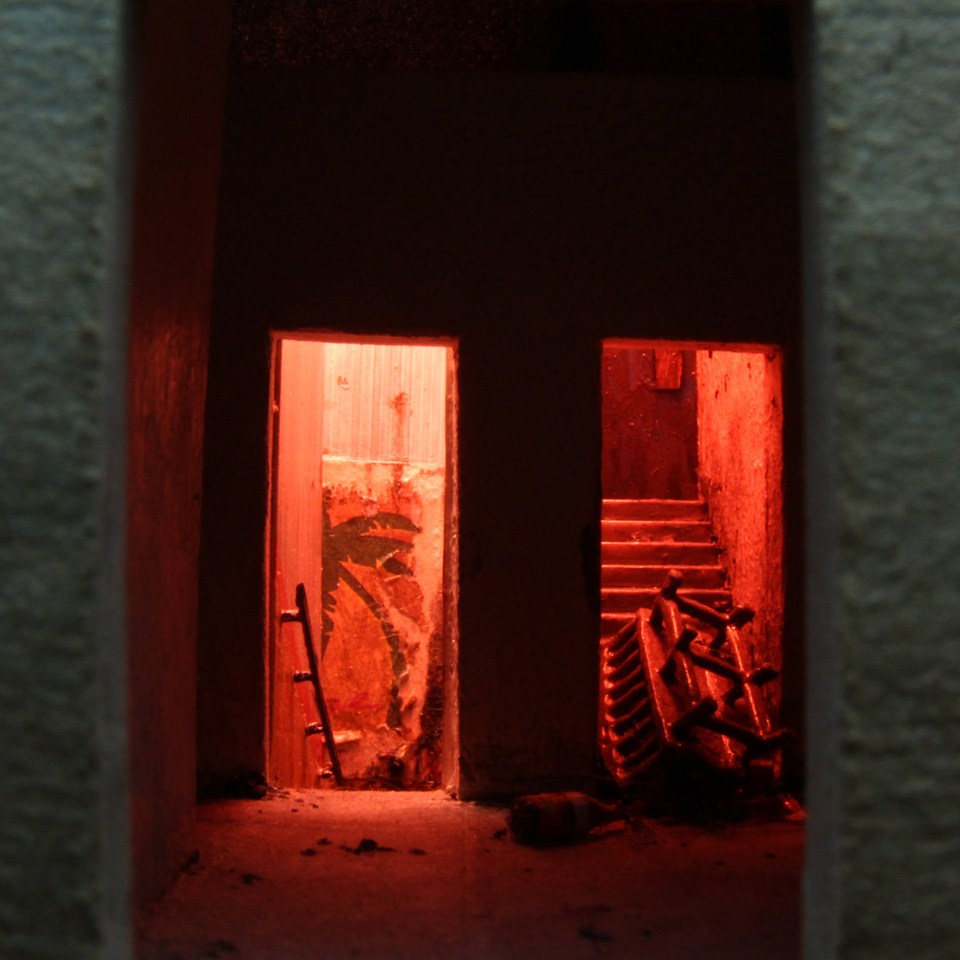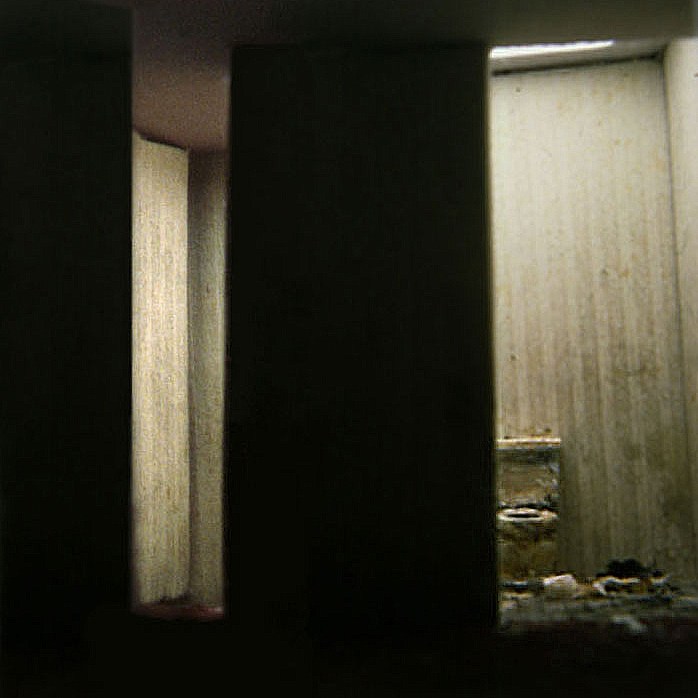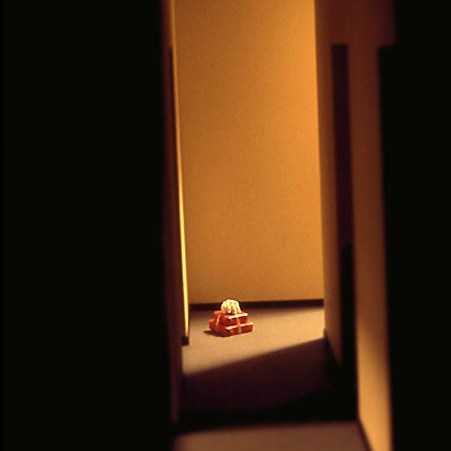
Imagine a single frame clipped from a reel of film.  The minute celluloid image captures a scene where actors have not yet appeared, or perhaps have already left.  It is uncertain whether there are actors at all, yet, something in the scene indicates that an event has taken place...or is about to.


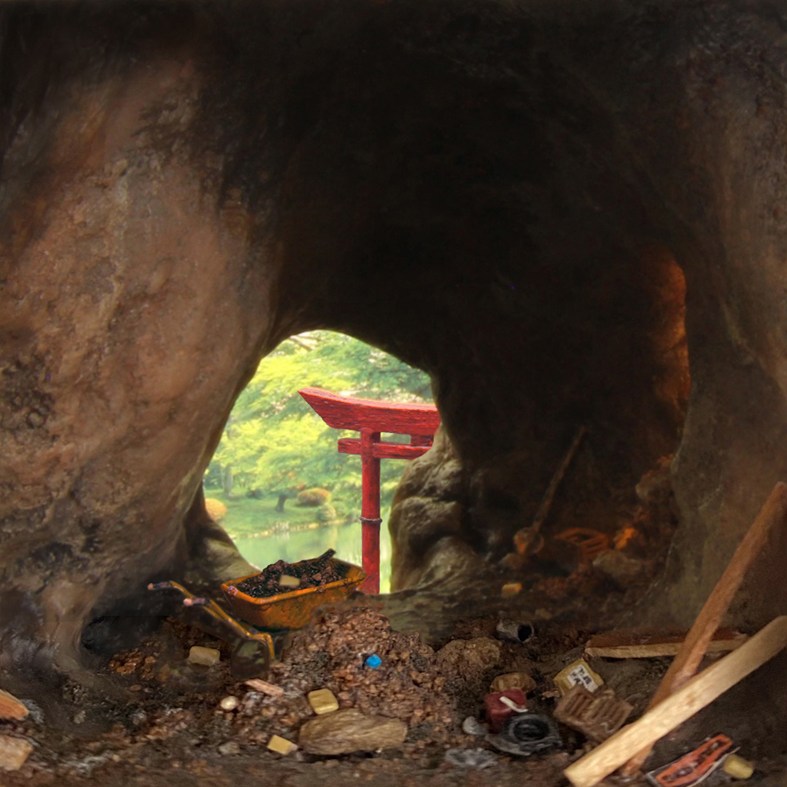
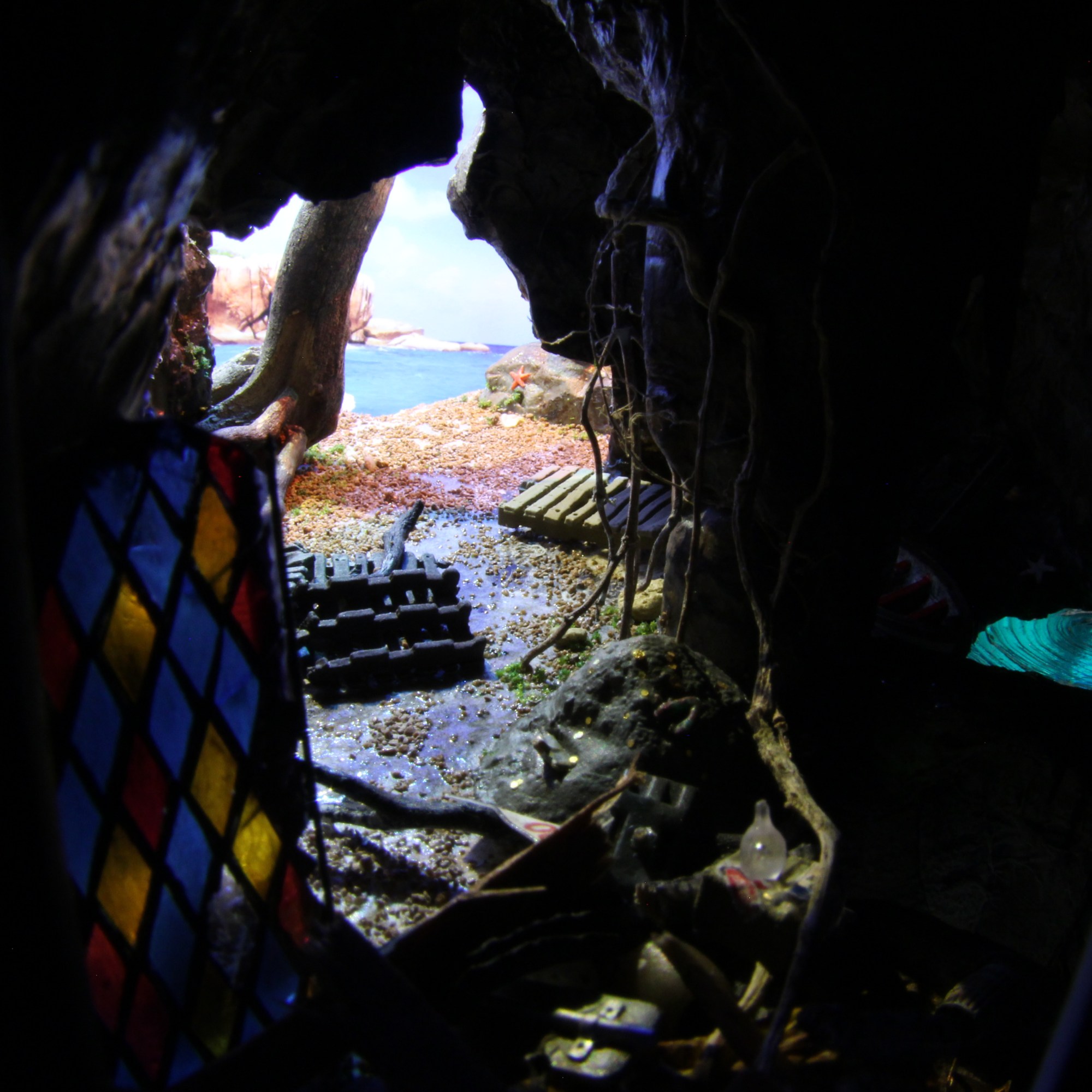
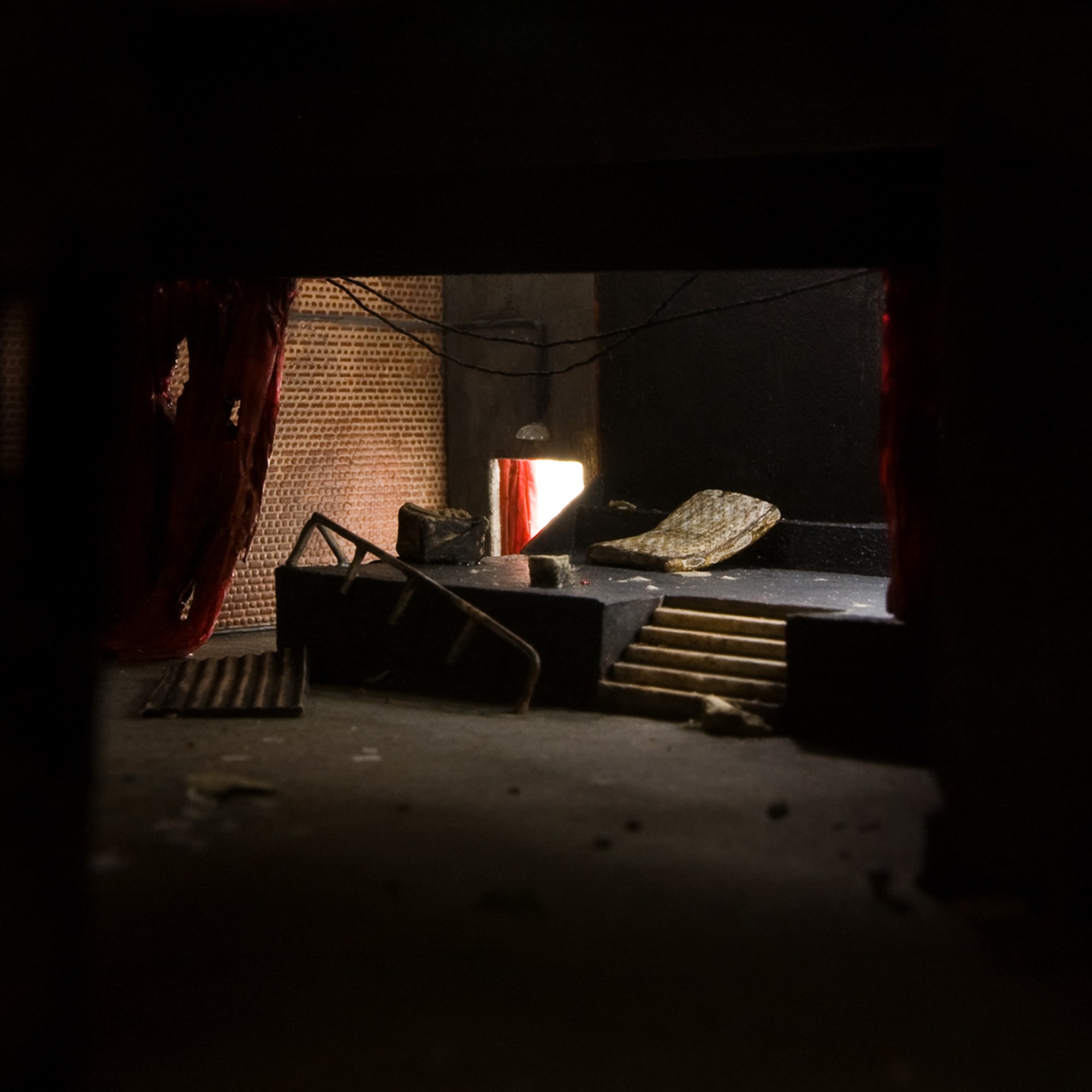
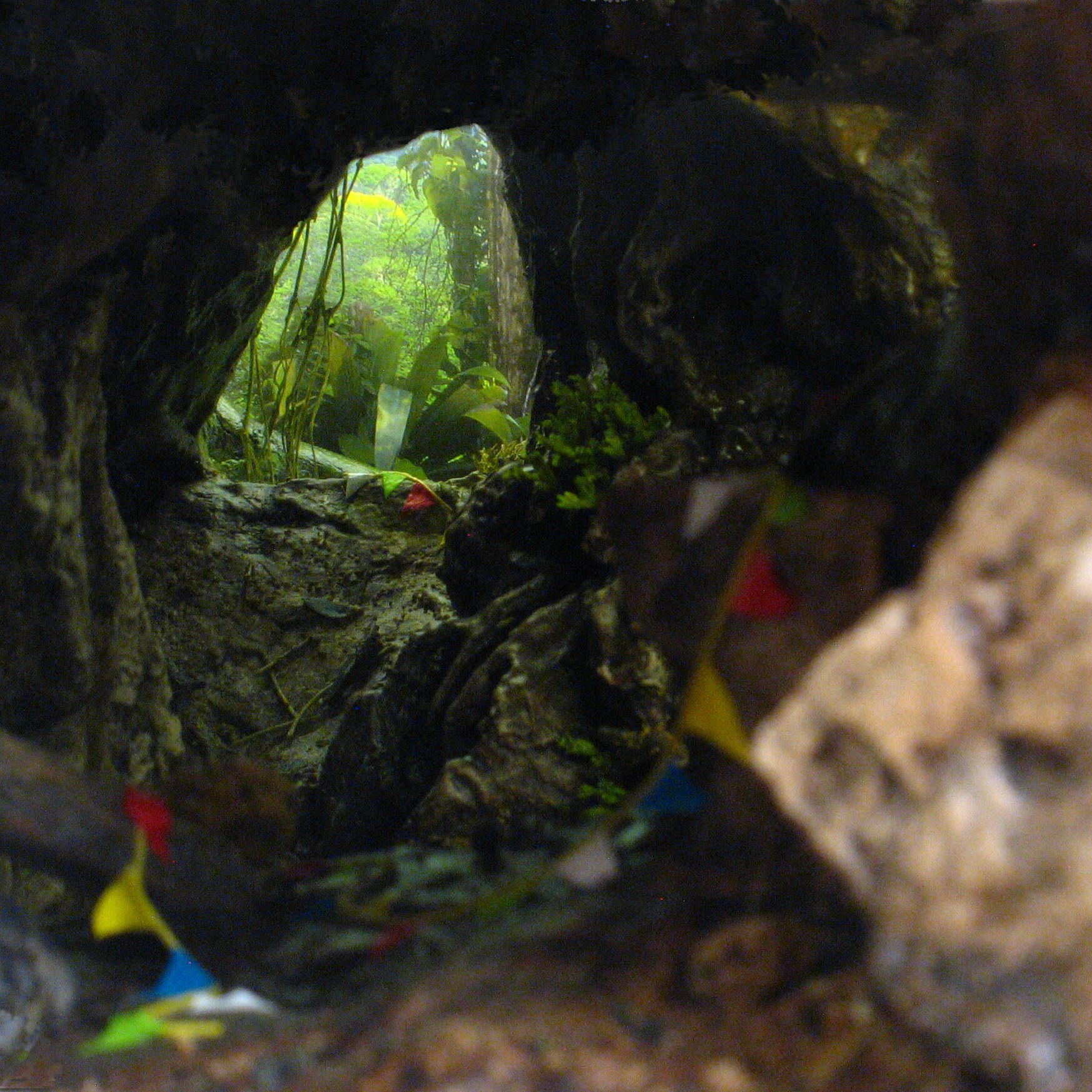
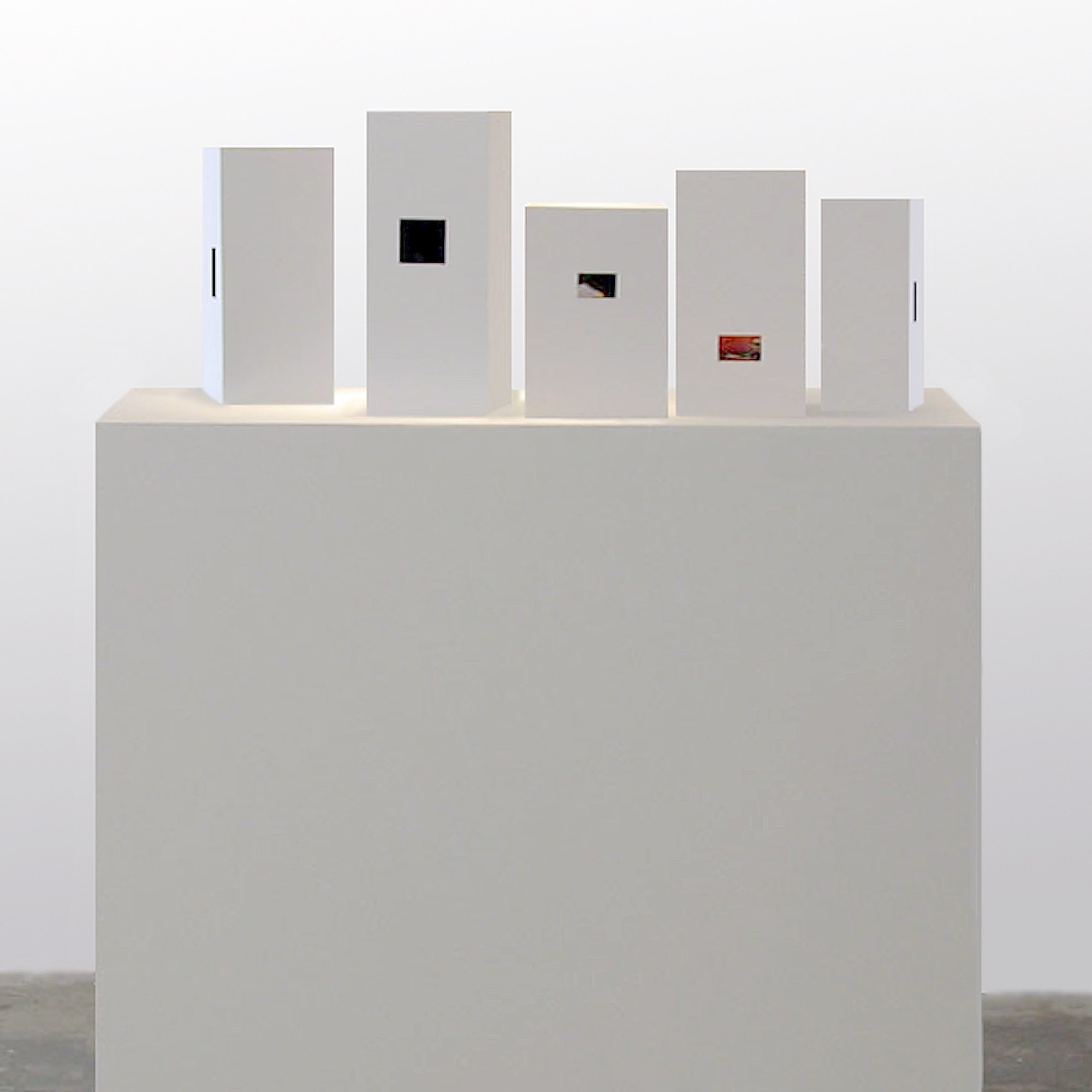
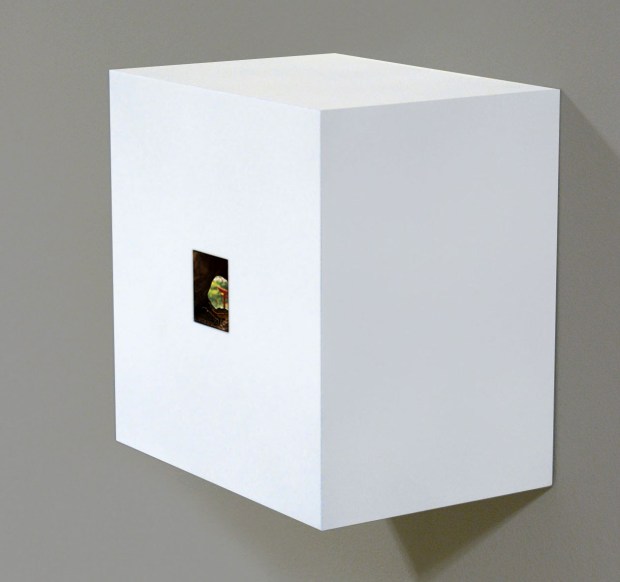
As we peer into the miniscule worlds of Dante Brebner’s dioramas, the image we’ve just envisioned has become three-dimensional.  Landscapes and interiors appear as tiny film sets tailored for a peculiar dream, their position in time remains frozen, unclear.  A script has not been written, scenarios are ambiguous and unresolved.  Titles offer even less of a foothold.  Here the artist does not tell a story, but only suggests that one exists.  Once introduced, we are left to do all the navigating.


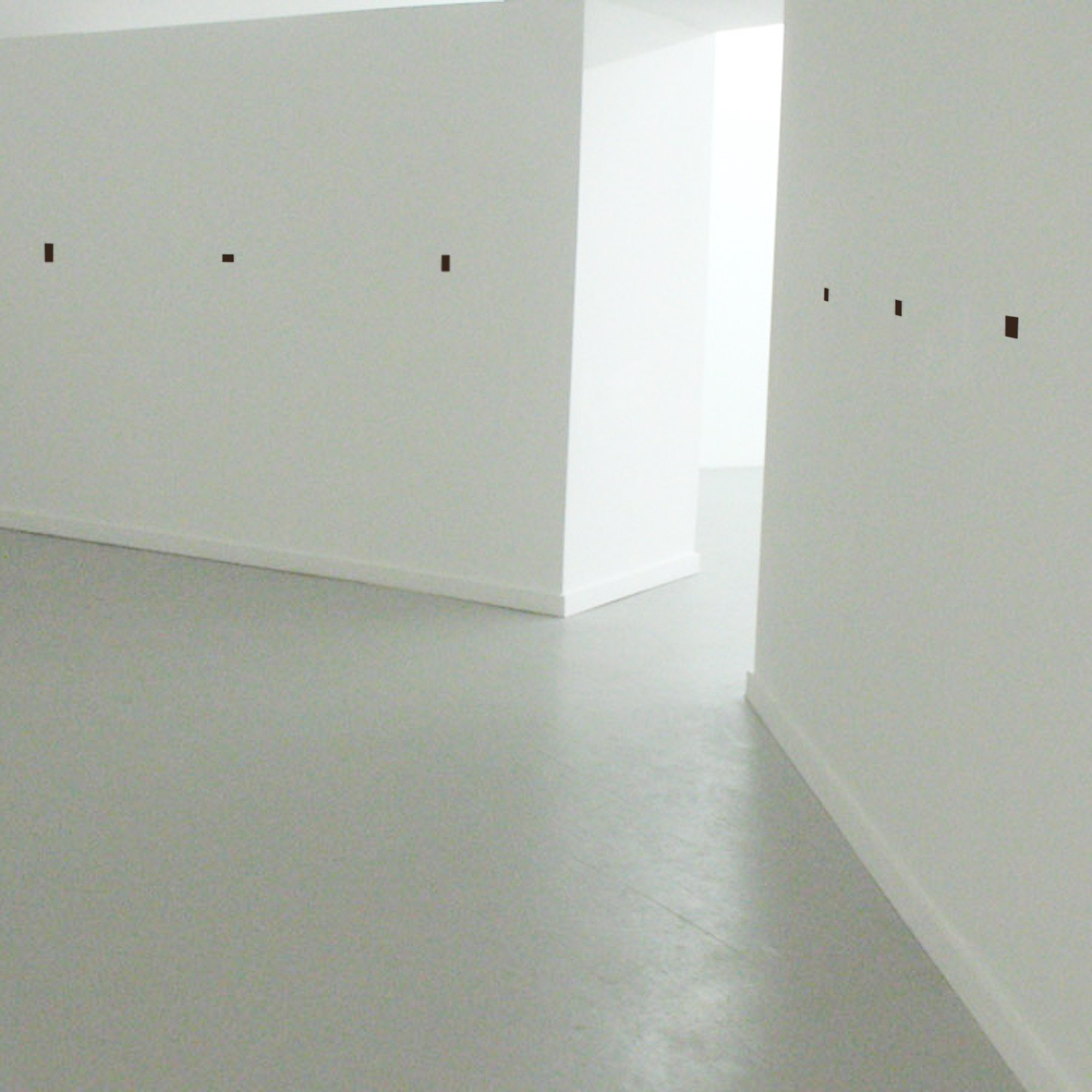
Some physical effort is also required to observe the work.  Concentrating through a matchbox sized window, we gaze into a compressed and layered space.  Features are hidden at far angles and odd spots:  the scene cannot be read all at once, nor can it be read casually.  Stooping, moving back and forth, we adjust continuously around the tiny entrance while searching for details. 


But it is at this moment between our physical labors and the slippery, ambiguous nature of the scenes depicted that we are invited to put aside a solution to the artist’s work and enter a kind of state where curiosity alone is given priority...where our own auras of association may be called forth.  Synthesizing pathways deeper into these worlds, sharpening our perceptivity and patience, we sense our arrival at a precipice.  We stare, we wonder and realize that the artist who has taken us there has left us alone.

Selected Works